Energy Ministry implements 60 measures to secure electricity supplies during winter
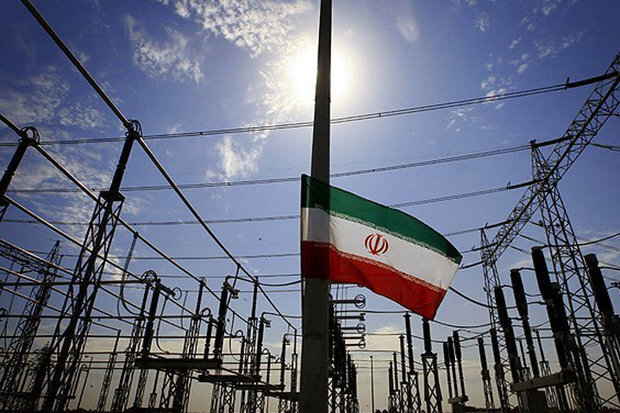
TEHRAN – Iranian Energy Ministry is implementing 60 operational measures to ensure stable electricity supplies during the winter and mitigate the potential impact of fuel shortages, while power plants’ liquid fuel reserves remain at satisfactory levels, the country's electricity industry spokesman said.
Ehsan Zabihzadeh said more than 80 percent of the fuel consumed by thermal power plants comes from natural gas, with most facilities designed to operate primarily on gas. Liquid fuels serve as a backup to improve grid reliability and help offset potential gas supply constraints, he added, according to IRIB.
Gas supplies to power plants and their liquid fuel inventories are currently in a favourable position, Zabihzadeh said. Liquid fuel stocks are roughly at the same level as a year earlier, when reserves were particularly strong, and the trend this year has also been positive so far.
Some storage capacity remains to be filled, but the remaining tanks are expected to reach capacity in the coming days and weeks as winter approaches, with the help of the Oil Ministry, he said.
However, maintaining reliable electricity supplies throughout the winter will depend not only on initial preparedness but also on continued gas allocations and the timely delivery of liquid fuels, Zabihzadeh said.
Authorities have designated a roughly 100-day period, beginning in mid-December, as the main window for winter preparedness and have coordinated plans to secure power plant fuel supplies with the Oil Ministry, he added.
60 measures to manage winter constraints
Zabihzadeh said attacks attributed by Iranian officials to Israel and the United States had damaged gas supply infrastructure, reducing part of the country's gas supply capacity compared with last year, according to statements by Oil Ministry officials.
The electricity sector has therefore drawn up 60 operational measures to get through the 100-day winter period with minimal disruption. Implementation of the measures is progressing satisfactorily, he said.
The main steps include completing essential power plant maintenance on schedule, accelerating renewable energy development to increase electricity generation without fuel consumption, advancing maintenance at the country's nuclear power plant so it can return to service at the beginning of the cold season, and optimizing hydropower generation.
Improving the efficiency of thermal power generation is also a priority, Zabihzadeh said. Authorities aim to maximize the use of high-efficiency generating units and reduce diesel consumption, particularly in northern Iran, where power plants face a greater risk of fuel supply constraints.
Maintenance of the electricity grid and major energy transmission corridors is receiving greater attention than in previous years, he added, as authorities seek to minimize transmission bottlenecks that could restrict electricity supplies during winter.
Energy conservation remains a priority
Zabihzadeh said coordination among different sectors was essential to managing energy consumption and maintaining reliable electricity supplies throughout the cold season.
Government agencies and public institutions should lead by example in conserving energy, while all electricity and gas consumers should help manage demand, he said.
Reducing energy consumption can lessen the impact of potential fuel shortages, Zabihzadeh added, stressing that conservation should extend beyond winter. Even small savings can have a meaningful effect if sustained and adopted as a long-term practice.
EF/
Leave a Comment